DENVER, CO — Denver Water’s drought rules are still changing how people use water at home, and the strain has spilled into neighbor-to-neighbor complaints. Residents have reported one another for watering outside the allowed schedule, according to local reporting cited by Denver Water.
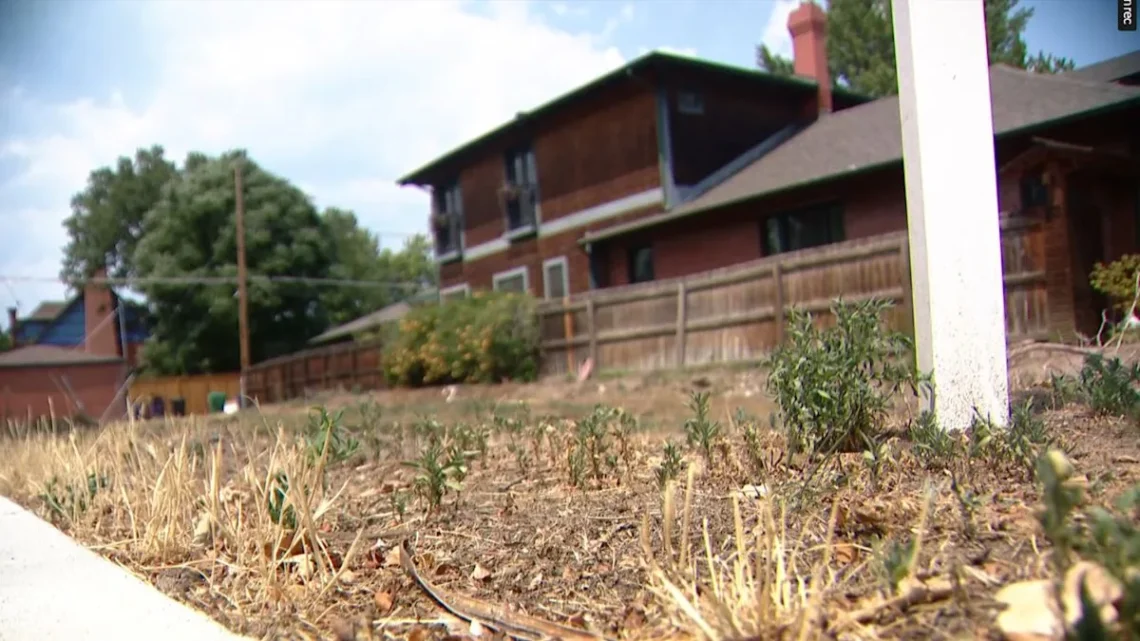
The utility set a goal of cutting water use by 20 percent this year, but so far usage has fallen only about 5 percent. Denver Water says the restrictions are meant to protect reservoir supplies as dry conditions continue and some waterways run lower than usual, or have gone dry altogether.
What The Rules Allow
For many customers, the main change is outdoor watering. Denver Water has limited lawn and landscape watering to two days a week, down from the three days a week that is often allowed during other hot stretches.
The utility says it has also been sending staff into neighborhoods to spot violations, making more than 1,000 field stops when workers see watering that does not fit the rules. In addition, Denver Water says it has reached out to nearly 3,800 customers by email and letter to explain the restrictions and encourage compliance.
So far this summer, the utility says it has issued 72 formal warnings. For single-family homes, the next violations after a warning can lead to fines of $250, then $500, then $1,000. Denver Water says four fines have been issued, including to two single-family properties, one multi-family property, and one commercial customer.
Why The Crackdown Grows
The restrictions are not happening because of a temporary preference or a publicity campaign. Denver Water says they are tied to a real shortage in the reservoirs that supply the city, and the utility wants to slow demand before supplies drop further.
That pressure has made the response feel personal in some neighborhoods. The utility says it has received about 4,700 violation calls from residents this summer, a sign that many people are watching closely to see whether others are following the rules.
Even with the outreach, warning letters, and field checks, Denver Water says the conservation target has not been met. With demand still above what the utility hoped for, the limits are likely to stay in place into next year unless reservoir levels improve.
How Residents Can Help
People trying to cut their own use can start with the practical steps the U.S. Environmental Protection Agency recommends. That includes finding and fixing leaks, turning off the tap while brushing teeth, and choosing showers instead of baths when possible.
For outdoor water use, the EPA suggests building a water-smart landscape so plants need less watering and can still hold up in dry weather. That can mean paying more attention to what is planted, how it is grouped, and how often it needs water.
Anyone in Denver who is unsure about the current rules should check directly with Denver Water before watering, especially if they are planning outdoor work. The utility is the one issuing warnings and fines, so confirming the latest guidance is the safest step before turning on sprinklers.
What It Means Locally
The situation shows how drought rules can reshape daily life far beyond utility bills. When water supplies tighten, conservation stops being an abstract goal and becomes something neighbors notice on the street, in the yard, and in the complaint line.
For other communities, the lesson is that clear rules and plain communication matter early. Local utilities can make conservation easier to follow by explaining schedules, checking for leaks, and sharing simple household fixes that do not require major expense.
Communities elsewhere can also look at the Denver example as a reminder to plan before shortages deepen. The most useful efforts are often the least dramatic: steady outreach, visible enforcement, and practical tips that help households save water without guessing what the rules are.
Something happening in your area? The Native Voice wants to hear about it.